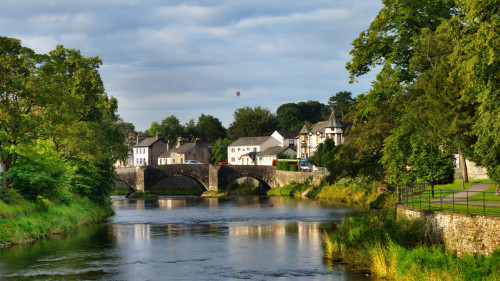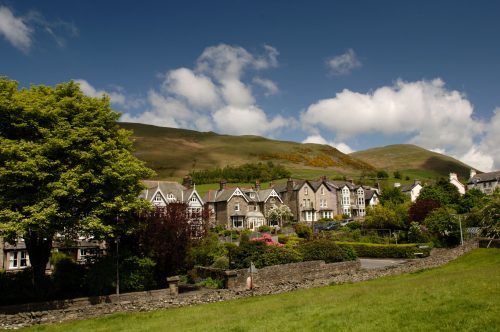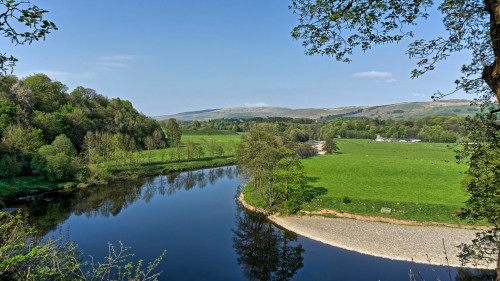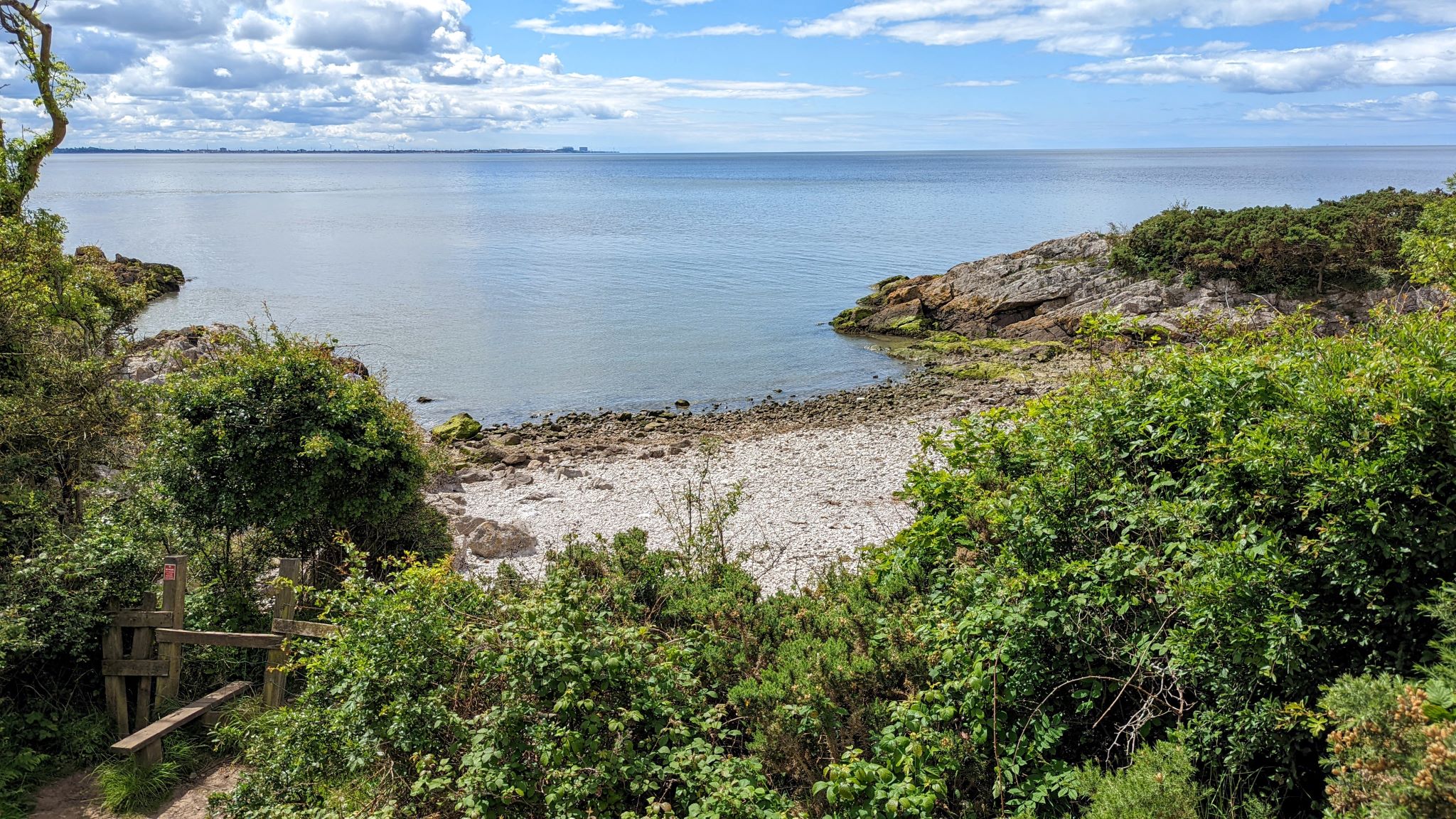
The Lyth and Winster valleys are a peaceful rural area on the edge of the Lake District, known for traditional villages, rolling farmland and easy access to Kendal and Windermere. It’s an ideal base for exploring quieter corners of Cumbria, with country walks, historic lanes and open landscapes right on the doorstep.
The Lyth and Winster Valleys
Underbarrow | Crosthwaite | Crook | Bowland Bridge | Brigsteer
New







Top Rated






Top Rated

Top Rated

Top Rated
Top Rated

Top Rated
Top Rated
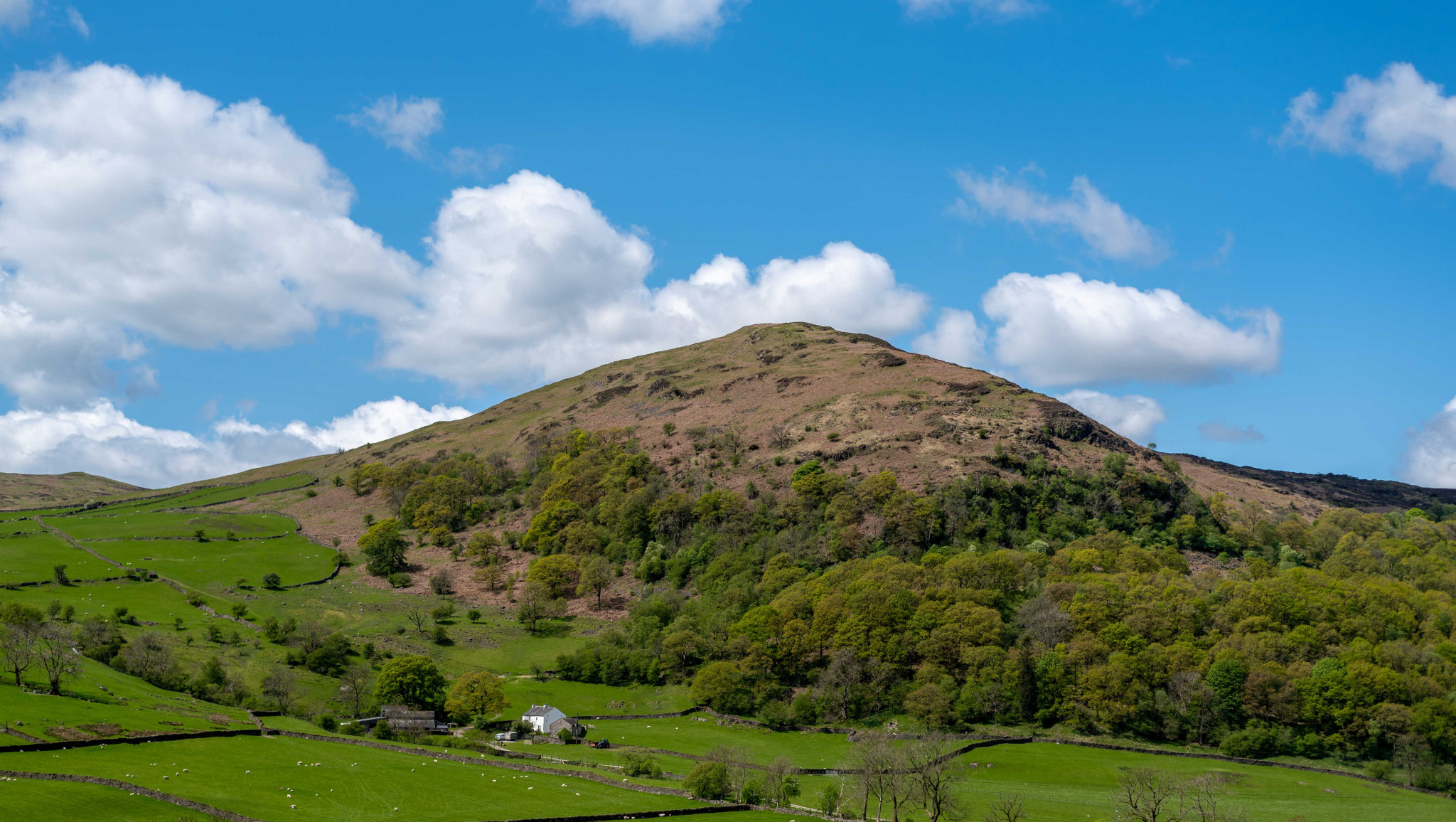
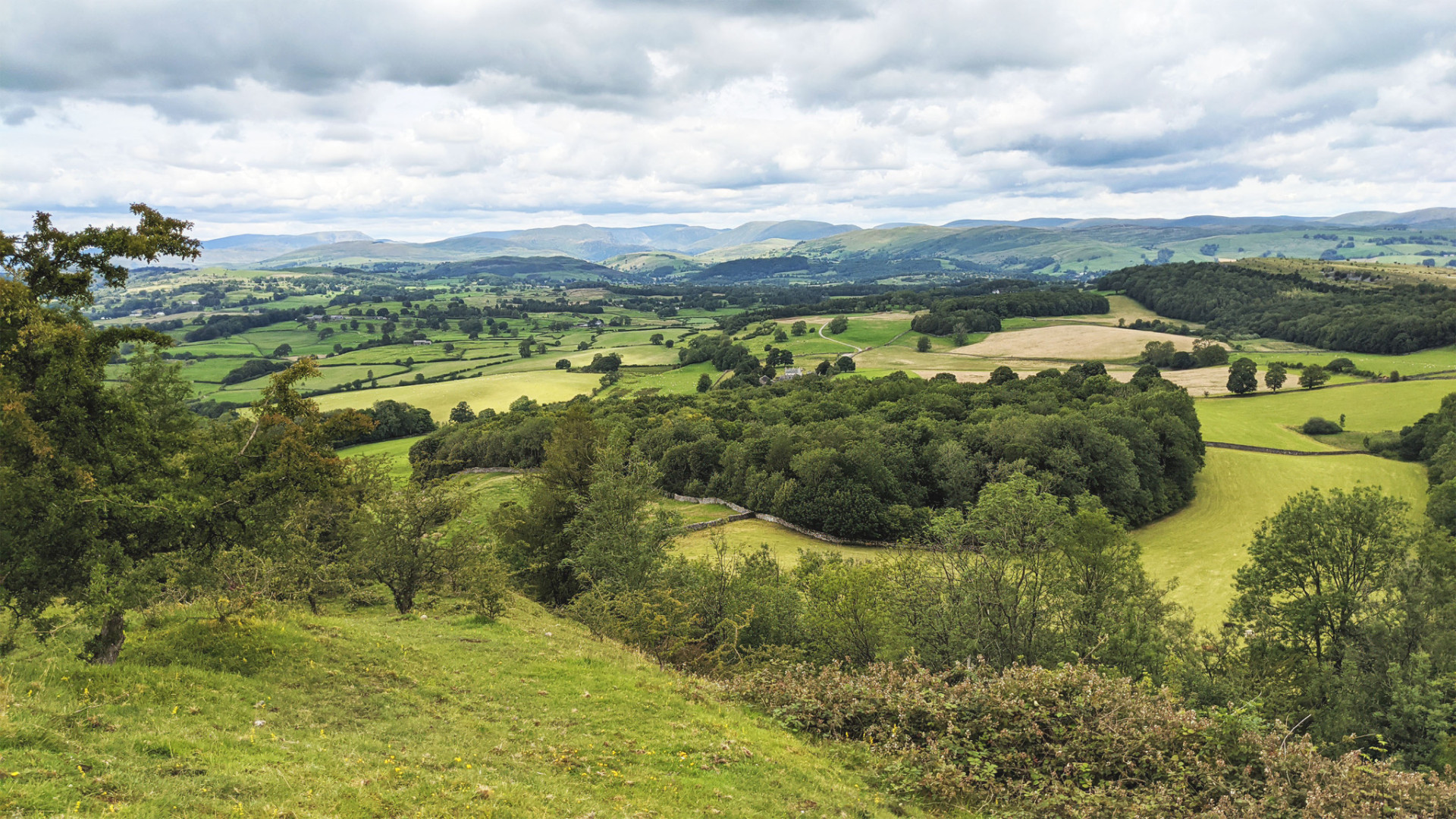
The Lyth and Winster valleys are shaped by working farmland, small orchards and scattered woodland, creating a landscape that feels settled and unspoilt. Whitewashed farmhouses and stone barns sit among gently rolling fields, limestone outcrops and open pasture. A network of narrow lanes and footpaths connects villages such as Underbarrow, Crosthwaite and Bowland Bridge, all leading naturally toward the market town of Kendal.
The area is particularly known for its damson orchards, which have been part of the valleys for centuries. Each spring, the trees come into blossom and the local Damson Day festival in April celebrates the fruit through food, drink and crafts. By autumn, damsons ripen across the valleys, with roadside stalls offering fresh produce during the harvest season.
The valleys begin near Winster and Crook, where the rivers Winster and Gilpin flow around Whitbarrow Scar. Witherslack sits at the base of the scar, while Brigsteer lies beneath Scout Scar to the east, overlooking former mossland. Further south, Levens developed along what was once a tidal route inland. To the west, Cartmel Fell rises toward Gummer’s How, offering wide views over Windermere. At the water’s edge, Fell Foot Park provides access to the lake, with open space for walking, picnics and waterside activities.